Choosing Between Professional Sound Engineering And Manual Setup
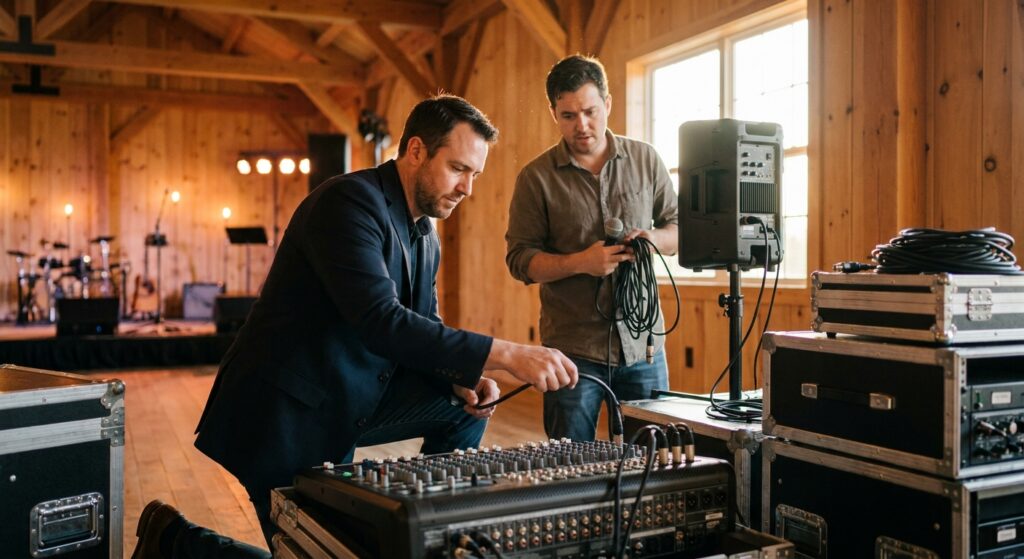
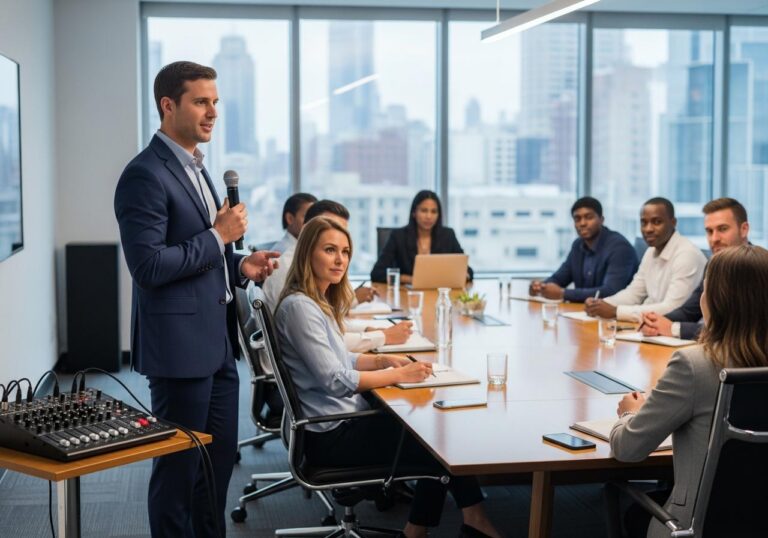
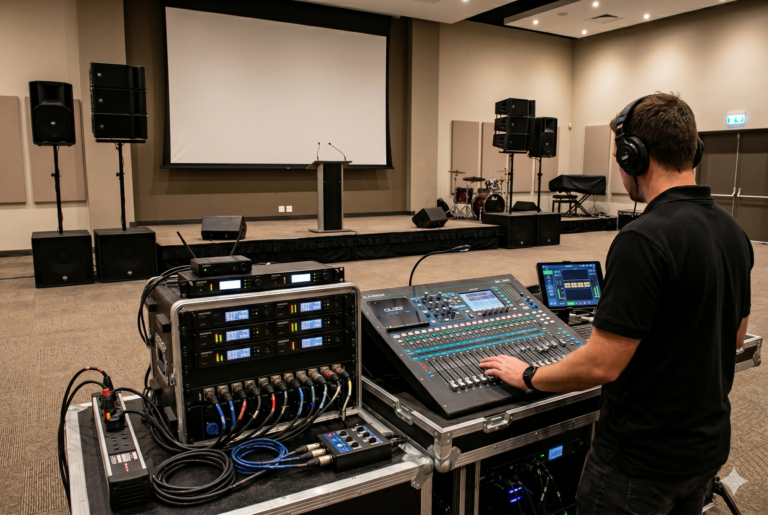
You need a professional sound engineer if your event exceeds four audio channels, requires complex speaker arrays for large venues, or involves dynamic live performance transitions. Conversely, you can manage the setup yourself for smaller events, such as standard corporate presentations or gatherings of under 100 people, provided you use pre-configured, intuitive audio systems.
DIY vs. Professional Sound Engineering: Decision Matrix
Choosing between a manual setup and hiring a professional depends on the technical footprint of your event. The following table provides a clear threshold for when professional oversight is required to maintain audio integrity.
| Event Scale | Channel Count | Venue Capacity | Recommendation |
|---|---|---|---|
| Small/Corporate | 1–4 Channels | < 100 People | Manual Setup (DIY) |
| Medium/Events | 4–8 Channels | 100–300 People | Recommended Oversight |
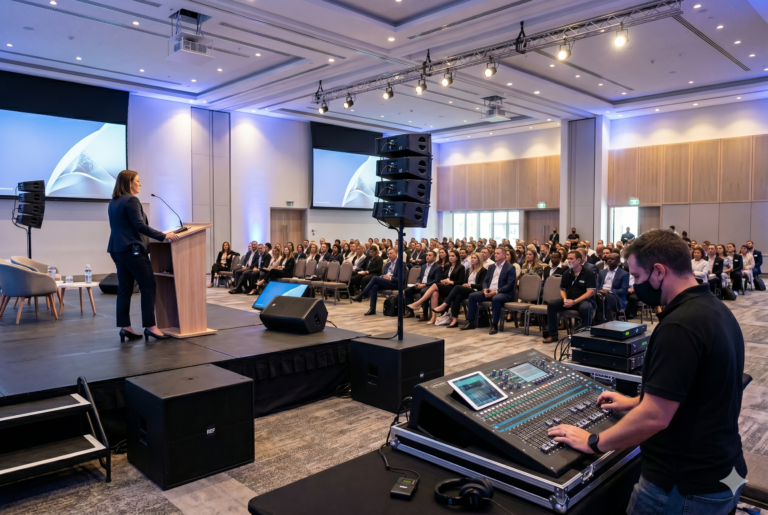
| Large/Complex | 8+ Channels | 300+ People | Professional Engineer |
Determining When You Need Professional Support
Technical complexity at the hardware level often dictates whether you can operate a system independently. We prioritize equipment with advanced digital signal processing (DSP) to minimize the need for manual EQ adjustments. This approach allows even novice operators to maintain a stable, high-quality output in standard acoustic environments.
However, certain operational triggers mandate the presence of a dedicated sound engineer. Complex environments with high RF (radio frequency) interference or diverse, multi-input lists require active, real-time gain structure management. According to the Audio Engineering Society (AES), maintaining proper gain staging and signal-to-noise ratios is critical for professional-grade audio, particularly when managing phase alignment for multi-speaker arrays in outdoor environments.
When to Hire an Engineer
Professional oversight serves as a vital fail-safe in high-pressure environments. You should engage an engineer if your event requires:
- Complex Signal Routing: Events where audio must be split for live PA and digital streaming concurrently.
- Rapid Transitions: Situations requiring rapid transitions between stage plots, such as festivals with multiple performers.
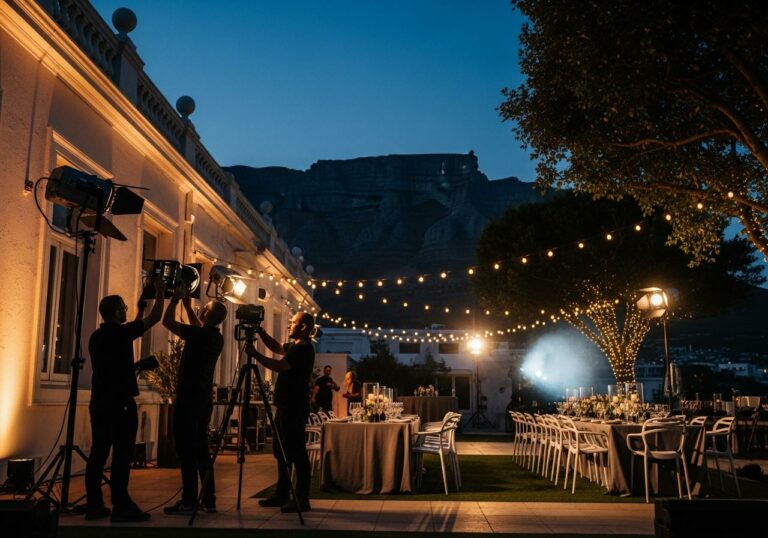
- Time Alignment: Use of multi-speaker arrays to prevent phase cancellation across large, wide-open spaces.
- High-Frequency Interference: Complex RF environments where wireless microphone stability is paramount.
When to Use Manual Setup
You can confidently manage your audio requirements independently if your setup utilizes modern, automated hardware. For smaller events, we recommend utilizing:
- Active PA Systems: Units with internal limiters and signal processing that prevent clipping and automatic level balancing.
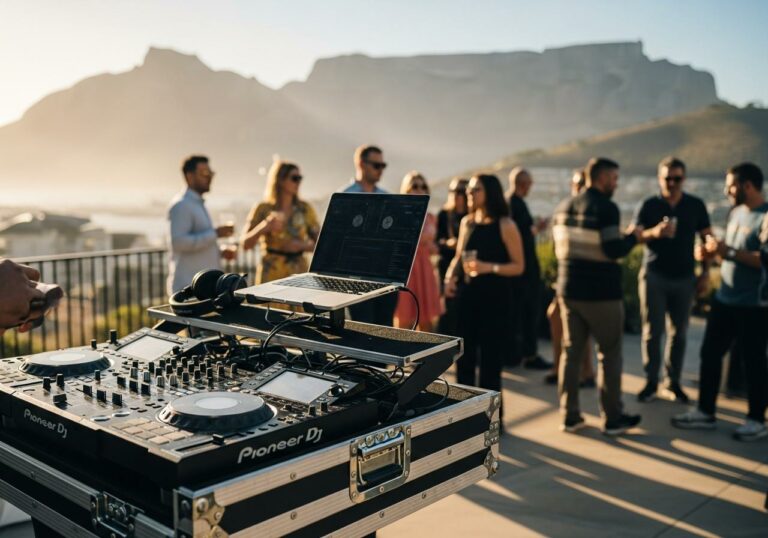
- Digital Mixers: Systems featuring preset configurations designed for specific, predictable venue sizes.
- Portable Power Kits: Battery-powered audio units that offer a reliable manual setup pathway that is entirely independent of the local power grid.
Ready to Elevate Your Event with Flawless Sound?
If you are ready to scale your local visibility and ensure your event sounds perfect, reach out to our team today to discuss your specific technical requirements, or consult our ultimate event audio checklist
FAQ’s
Do I need a sound engineer or can I set up sound myself?
The answer depends on your channel count and venue size. If you are running more than four channels or exceeding a capacity of 100 guests, we recommend hiring a professional. For smaller, simpler setups, you can safely manage the hardware yourself using our intuitive, pre-configured equipment.
Can I set up a sound system without prior experience?
Yes. We stock specific hardware designed for “plug-and-play” operation. These systems feature simplified connections and automated internal processing to ensure high-quality audio without requiring manual tuning or complex engineering knowledge.
How do I manage power in unstable grid conditions?
We provide battery-backed solutions and power-efficient amplifiers specifically designed to maintain operation during outages. For larger events where professional engineers are present, we coordinate power management through integrated UPS systems to ensure total reliability.
Is an engineer required for simple corporate presentations?
Generally, no. Most corporate presentations involving a single wireless microphone and background music can be handled using our compact kits. Our team provides a brief technical handover to ensure you can manage the setup confidently throughout your event.