How Local Organisers Select Sound Equipment Rental in Durbanville for Outdoor Venues
Selecting the right sound equipment rental in Durbanville requires assessing open-air acoustics, seasonal wind exposure, venue layout across Cape wine estates, and uninterrupted power supply. Organisers calculate sound dispersion requirements based on guest capacity and lawn dimensions, specify weather-protected gear, and secure backup power systems to prevent dropouts during outdoor gatherings.
Evaluating Outdoor Acoustics Across Durbanville Venues
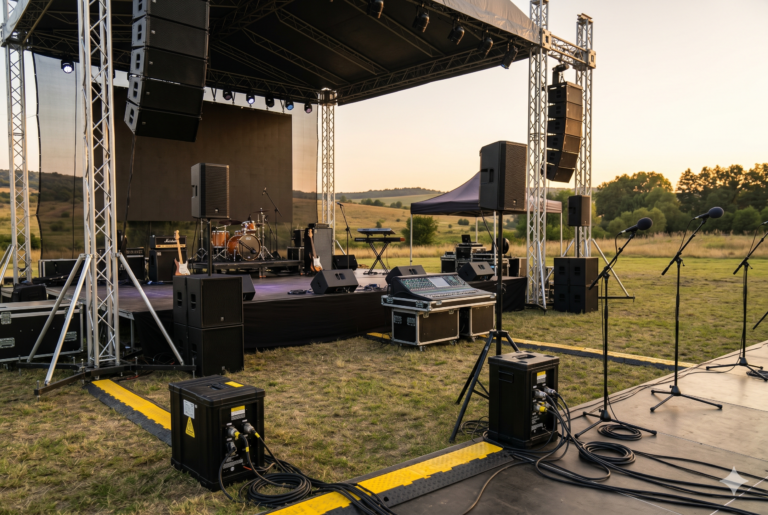
Outdoor venues across the Durbanville Wine Valley present distinct audio challenges compared to indoor halls. Sound waves disperse rapidly without walls to reflect energy, meaning speakers must project clear frequencies directly toward the crowd without excessive volume spikes near the stage. Organisers planning festivals, garden weddings, or corporate retreats across wine farms must account for several site-specific acoustic factors:
- Total audience footprint and dispersion angles across open lawns or terraced vineyards
- Ambient background noise from surrounding traffic, running water features, or kitchen generators
- Natural barriers such as tree lines, boundary walls, and slope changes that absorb or bounce high frequencies
- Distance between the main speaker array and peripheral seating areas
Managing Wind and Weather Conditions in the Northern Suburbs
Wind is one of the most significant disruptors of live audio in the Western Cape. Durbanville frequently experiences strong southeasterly winds that disperse high-frequency audio and create severe microphone rumble. Smart planners choose equipment designed to withstand rapid outdoor shifts.
Microphone Protection and Wind Screening
Standard foam covers fail during heavy gusts. Successful outdoor productions use multi-layered synthetic fur windscreens, directional cardioid capsules, and dedicated high-pass filters on mixer channels to cut out low-end wind rumble before it reaches the main speakers.
Speaker Placement and Rigging Stability
Line arrays and point-source speakers must be secured against sudden gusts. Qualified technical crews anchor tripod stands with sandbags and stage weights, ensuring stable positioning throughout the event while aligning line arrays to cut through turbulent air patterns.
Planning Power and Redundancy for Outdoor Sites
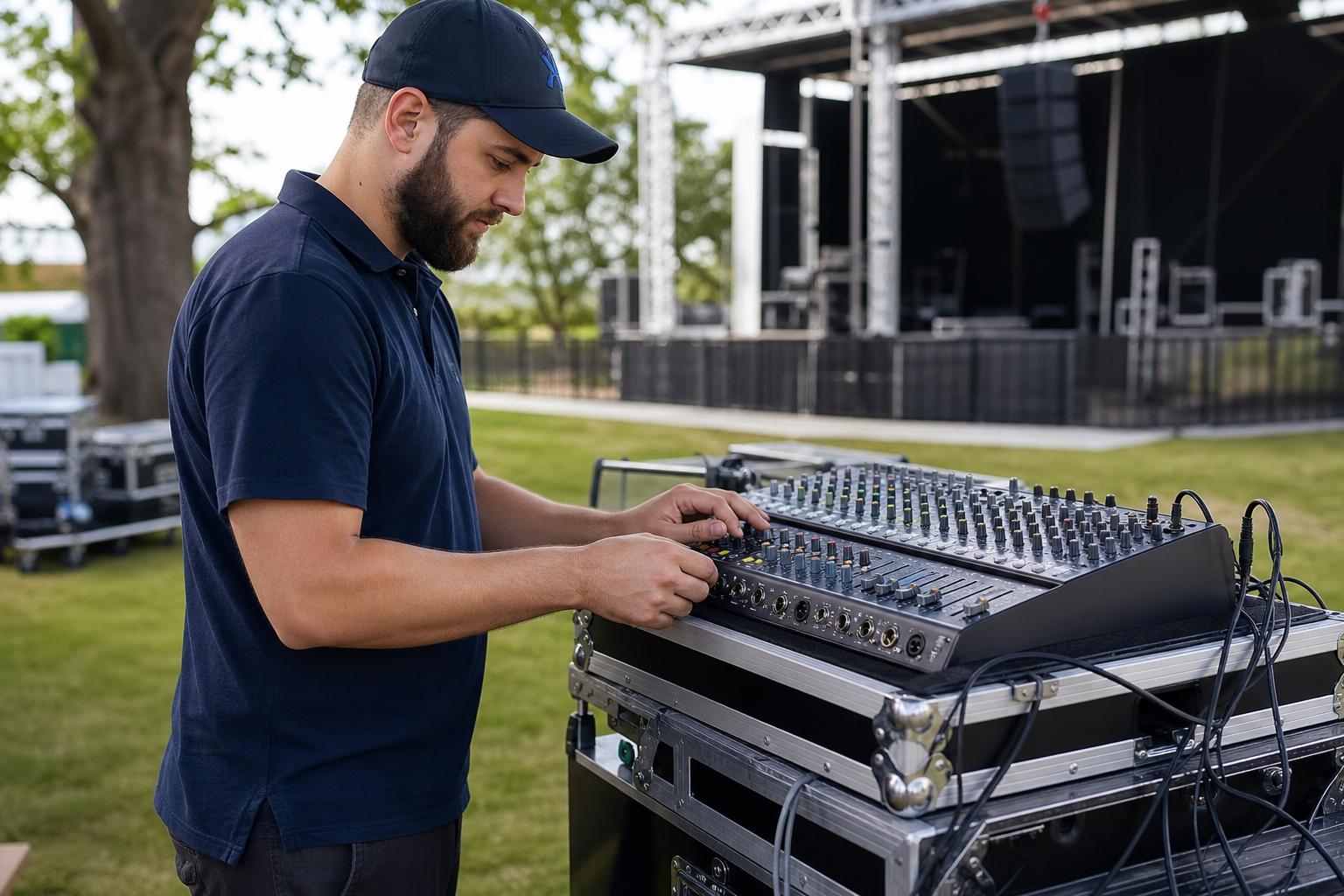
Reliable power is vital when setting up remote sound systems on estate lawns or farm clearings. Outlying event areas rarely have dedicated heavy-duty wall sockets nearby, and standard domestic extension cords cause voltage drops over long distances. Organisers should review these power essentials prior to load-in:
- Dedicated silent-running diesel generators isolated from the main audio signal path to eliminate ground hum
- Uninterruptible power supply units connected to mixing consoles and digital stage boxes to protect against load-shedding switches
- Heavy-gauge industrial cabling rated for outdoor UV and moisture exposure
- Even phase distribution across high-draw subwoofers, active amplifiers, and stage lighting
Selecting the Correct System Configuration for Event Type
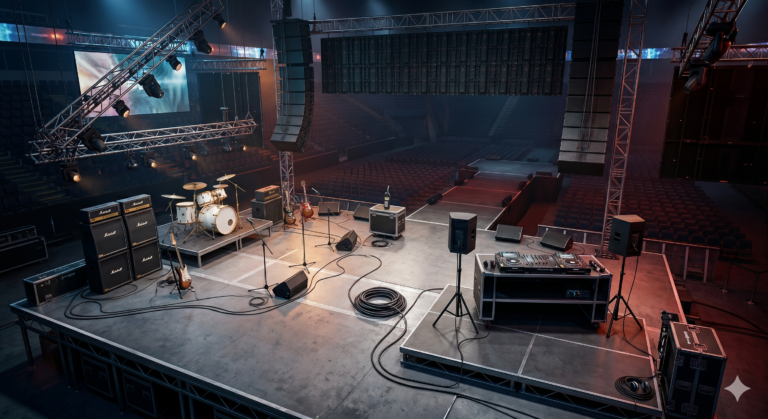
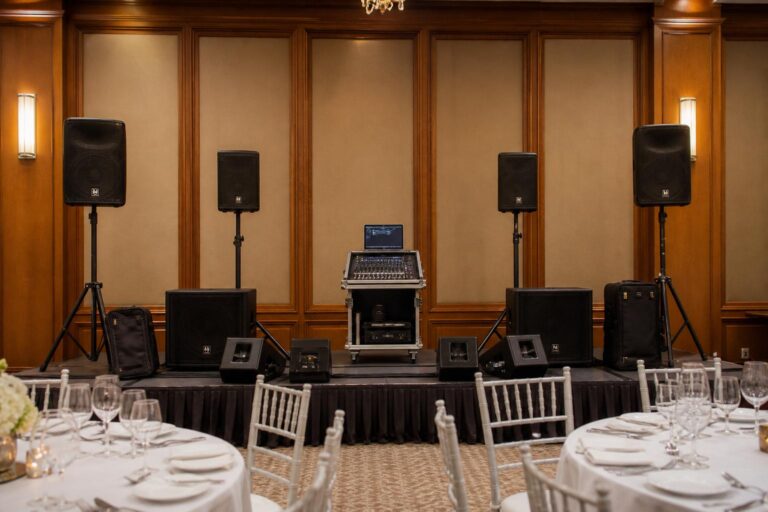
Different events demand distinct audio profiles. A live music showcase requires deep low-end reproduction and stage monitoring, whereas a corporate gala or wedding ceremony prioritises vocal clarity and discreet speaker placement. For complete technical setups, explore Sonic Event Audio sound equipment solutions to match specific venue layouts.
Organisers evaluate their gear choices by following a structured checklist:
- Matching speaker wattage and horn dispersion angles to the exact guest count
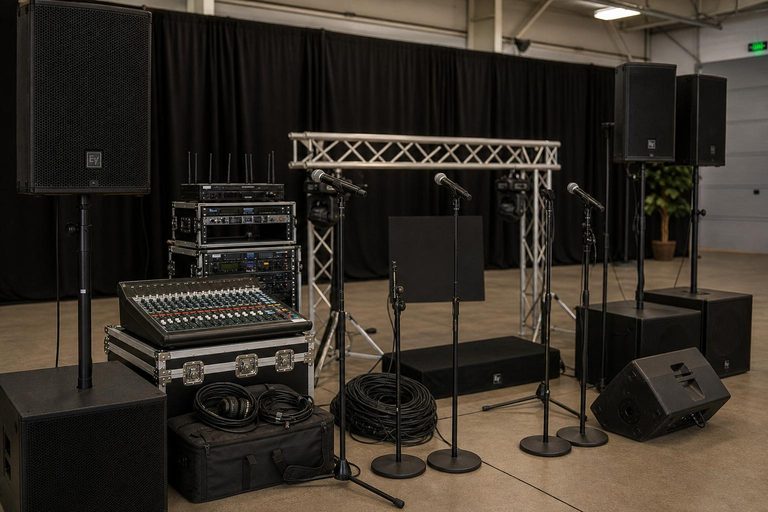
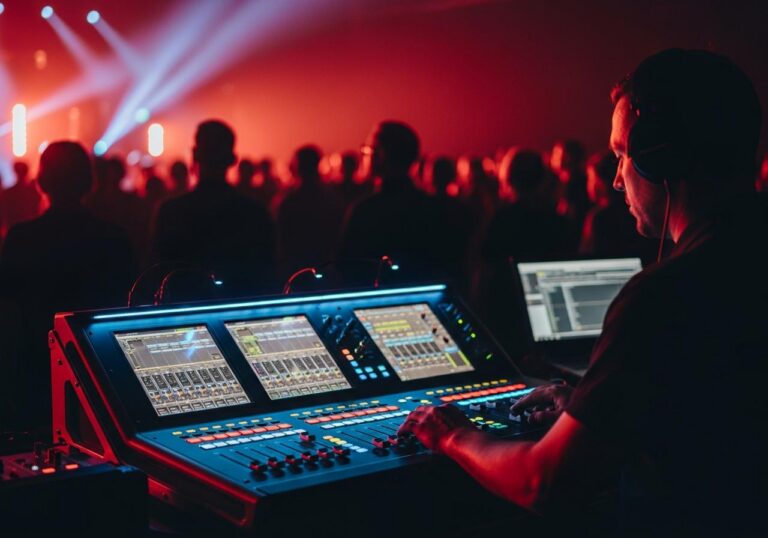
- Selecting digital mixing consoles with recallable presets for quick sound checks
- Incorporating wireless microphone systems with clear frequency scanning to avoid radio frequency interference
- Positioning delay stacks across extended seating areas so distant guests hear crisp speech without front-row distortion
Precision Audio Solutions With Sonic Event Audio
Executing a seamless outdoor event in Durbanville requires technical expertise, robust gear, and on-the-ground familiarity with local venues. Sonic Event Audio provides sound system hire, on-site sound engineering, and backup power integration across the Northern Suburbs to ensure clear, uninterrupted audio from start to finish. Click the button below to request a quote for your outdoor event sound equipment.
FAQs
How much speaker power is needed for an outdoor event in Durbanville?
Power requirements depend on audience size and physical area. A general guideline for outdoor venues is between five to ten watts per person for spoken word and acoustic music, and ten to twenty watts per person for live bands or DJ performances across open lawns.
How do sound crews manage wind interference on outdoor microphones?
Technicians use specialised furry windscreens, place windscreens over cardioid capsules, and apply low-cut frequency filters around 80Hz to 100Hz on the mixer to eliminate low-frequency rumble caused by air turbulence.
What backup power is required for sound equipment during load-shedding?
Outdoor setups require a dedicated generator with an automatic changeover switch, paired with an uninterruptible power supply on the digital console and wireless receivers to keep systems live during power transitions.
Why are delay speakers used at large outdoor lawn events?
Delay speakers are placed further back in the crowd area and time-aligned with the main front speakers. This setup delivers crisp, clear sound to distant attendees without needing to push the front speakers to uncomfortably high volume levels.